Why Does My Carpet Smell? Common Causes, DIY Fixes & When To Call A Christchurch Carpet Cleaner
Do you remember visiting friends' houses as a kid and noticing each home had its own distinct smell? Your own house has one too, though you usually only notice it after returning from a weekend away in Hanmer Springs or a holiday up north. For a few seconds, before your senses adjust, you get an honest whiff of your living room.
Most of the time, that scent is a familiar mix of laundry detergent, timber, cooking, and everyday family life. But sometimes, it is definitely not a source of comfort.
If you have scrubbed the kitchen bins, cleared out the fridge, taken out the rubbish, and aired out the lounge, yet an unpleasant, stale pong still lingers in the air, your floor coverings are almost certainly the culprit.
Carpets act like giant, room-sized air filters. They trap fine dust, pollen, pet dander, and foot traffic grime deep down in their pile. While this keeps airborne particles out of your breathing zone, it also means that over time, carpets absorb and hold onto moisture, organic spills, and bacteria.
Here is your practical guide to diagnosing what that smell is, why regular vacuuming or supermarket deodorisers will not fix it, and how to eliminate the odour for good.
Quick Diagnosis: What Kind Of Smell Is It?
To get rid of a carpet odour, you have to pinpoint the source. Spraying a generic floral room mist over an organic bacterial issue will only leave you with a room that smells like cheap perfume mixed with old milk.
Here are the five most common carpet odours we encounter across Christchurch homes:
1. The Musty, Damp, Or Earthy Smell
If your room smells like a wet basement, damp laundry left in the washing machine overnight, or decaying leaves, you are dealing with trapped moisture.
In Christchurch, where winter brings heavy frosts, cold southerlies, and high indoor humidity from heat pumps and closed-up windows, moisture often settles deep into carpet fibres. It can also stem from minor roof leaks, poor underfloor ventilation, window condensation pooling along the skirting boards, or shoes tracking in winter rain.
- The Root Cause: Mould, mildew, or fungal spores multiplying in the damp backing or underlay.
2. The Sharp, Ammonia-Like Smell (Pet Urine)
Pet accidents are notorious for creating persistent odours. When fresh, urine is slightly acidic and relatively easy to wipe up. However, as it dries, it turns into an alkaline salt known as uric acid.
These microscopic uric acid crystals bind tightly to the carpet pile, the secondary backing, and the foam underlay underneath. On humid days or when your heat pump warms the room, these dormant salt crystals pull moisture from the air and reactivate, releasing a pungent ammonia gas.
- The Root Cause: Concentrated uric acid crystals and multiplying bacteria deep in the underlay.
3. The Sour Or "Rotten" Food Smell
Spilled a flat white, a bowl of cereal, or a toddler’s sippy cup of formula? Dairy products and food spills contain fats and proteins that break down rapidly at room temperature.
Even if you vigorously scrub the surface with a damp rag, liquid easily seeps downward past the carpet backing. As the trapped proteins decompose beneath the surface, they generate foul-smelling bacterial gases that smell like sour cheese or rotten food.
- The Root Cause: Decomposing dairy proteins and bacterial fermentation trapped in the padding.
4. The Stale "Wet Dog" Or Grimy Living Room Odour
You do not actually need a soaking wet Labrador inside to end up with this smell. Pets naturally secrete sebum—an oily wax that protects their coat and skin. Every time your pet lies down on the carpet or rubs against the lounge suite, these oils transfer directly onto the carpet fibres.
Over months, this organic oil film oxidises and traps everyday household dust, dead skin cells, and dander. When ambient room moisture rises, it creates that heavy, stale "wet dog" scent that no amount of standard vacuuming can shift.
- The Root Cause: Oxidised animal oils and trapped body dander clinging to the carpet pile.
5. The Artificial, Soapy, Or Chemical Odour
Does your carpet smell strangely perfumed, slightly sticky, or chemical, yet still feels grime-prone under bare feet? This is almost always caused by DIY spot-cleaning attempts or rental supermarket carpet shampooers.
Consumer foam sprays and hire machines use heavy, high-foaming detergents that are rarely rinsed out properly. When that soapy lather dries, it leaves behind a sticky chemical residue that continually off-gasses an artificial scent while actively pulling new dirt from your shoes like a magnet.
- The Root Cause: Concentrated detergent residues left behind by insufficient extraction.
Why Carpet Smells Keep Coming Back After Vacuuming
The biggest frustration homeowners face is spending hours vacuuming, only for the bad smell to return within twenty-four hours.
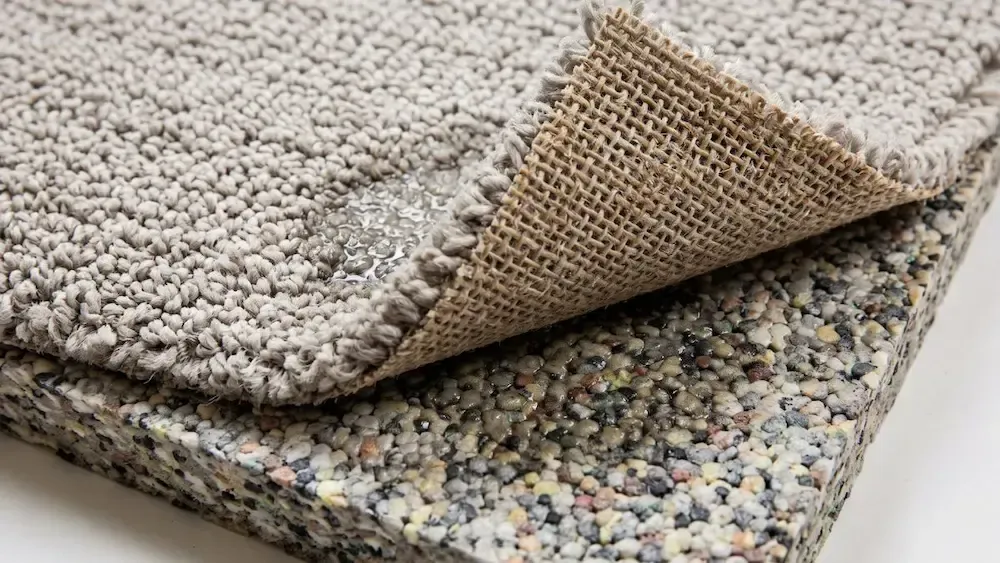
To understand why this happens, look at the anatomy of your floor covering:
- The Face Fibre: The soft top yarn that you see, touch, and vacuum.
- The Primary & Secondary Backing: The stiff woven webbing that locks the fibres in place.
- The Underlay (Padding): The thick, dense foam or felt cushion directly beneath the carpet that provides comfort and thermal insulation.
A standard domestic vacuum cleaner—even a high-end model—only creates surface airflow across the top 10% to 15% of the carpet yarn. It cannot pull air through the woven backing or out of the porous underlay.
When liquid spills, pet urine, or fine mud hit the floor, gravity pulls them down through the backing and straight into the underlay. The sponge-like foam absorbs the contaminated moisture and holds it.
Supermarket spray cans and surface wiping only clean the carpet tips. While the top half-inch looks clean and smells like lavender for an afternoon, the bacterial colony down in the foam padding remains untouched, continuing to release odours back up into the room.
Safe DIY Fixes Homeowners Can Try First
If you catch a fresh spill immediately or are dealing with very light surface staleness, safe home intervention can stop an odour from taking permanent hold:
1. Blot Under Pressure (Never Rub Or Scrub)
When a spill happens, grab a clean, dry white cotton towel or a stack of paper towels. Fold it thick, place it over the wet spot, and stand on it. Use your body weight to draw the moisture up out of the underlay and into the towel.
Never scrub or rub the spot with a cloth. Scrubbing frays the yarn pile, causes permanent carpet "fuzzing", and physically drives the liquid deeper into the backing.
2. Maximise Room Airflow Immediately
Moisture is the primary catalyst for carpet bacteria and mould growth. If an area gets damp, get air moving over it straight away:
- Open opposite windows to create a cross-draft, especially when a warm Canterbury Nor'wester is blowing.
- Position an oscillating fan so it blows directly across the damp carpet.
- Run a dehumidifier in the closed room to draw moisture out of the air and accelerate evaporation.
3. The Plain Baking Soda Method (For Dry Surface Odours)
For mild pet smells or general mustiness on completely dry carpet, plain sodium bicarbonate (baking soda) can help absorb airborne odours:
- Lightly dust baking soda evenly across the dry carpet.
- Allow it to sit for 30 to 60 minutes to absorb surface volatile organic compounds.
- Vacuum the area thoroughly with a clean, empty vacuum cleaner.
Caution: Never apply baking soda to damp or wet carpet, as it turns into a concrete-like paste that sets into the backing and proves exceptionally difficult to vacuum out.
What To Strictly Avoid:
- Pouring Buckets Of Water: Flooding a spot with water simply washes the contamination across a wider patch of your underlay and subfloor.
- Bleach Or Harsh Supermarket Ammonia Cleaners: These will strip the colour out of wool and nylon fibres, leaving permanent bleached rings.
- Heavily Perfumed Carpet Powders: Fragranced powders often contain talc that clogs domestic vacuums and leaves sticky residues behind.
When A Carpet Smell Signals A Serious Problem
In some situations, a bad carpet smell is more than an aesthetic nuisance—it is a clear warning sign of an underlying property issue that requires urgent attention.
Persistent Moisture And Mould Growth
If your carpet smells constantly musty and feels clammy to walk on, even without any known spills, water is entering from an external source. Common culprits include:
- Hidden plumbing leaks inside wall cavities or concrete foundations.
- Severe window condensation running down behind baseboards.
- Inadequate subfloor ground moisture barriers under older timber floors.
Mould and mildew produce microbial volatile organic compounds (MVOCs) and microscopic airborne spores that irritate respiratory systems, aggravating asthma, eczema, and allergies. If you spot dark discolouration along skirting boards or suspect sustained dampness, the moisture source must be resolved immediately.
Long-Term Pet Urine Saturation
If a family pet has repeatedly used the same corner of a room as a toilet, urine will eventually soak through the carpet backing, saturate the underlay, and leach into the concrete floor slab or timber subfloor below. At this stage, surface cleaning alone is insufficient—the underlay pad must be inspected, and the subfloor may need specialised sanitisation and sealing..
How Professional Odour Treatment Actually Works
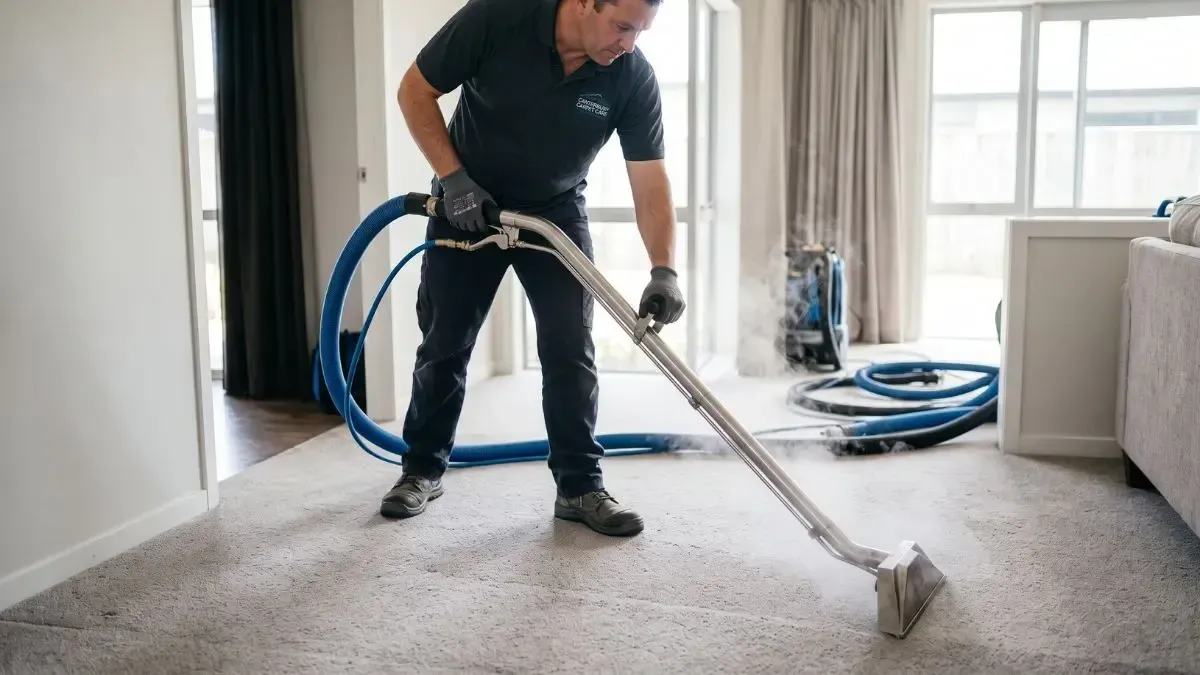
When an odour has migrated into the backing and underlay, household remedies will not shift it. Eradicating deep-set smells requires industrial heat, targeted chemistry, and serious vacuum extraction power.
Here is how Dave approaches carpet odour elimination at Christchurch Carpet Cleaning:
1. Source Identification & Fibre Testing
We start by assessing your carpet's fibre construction (wool, nylon, polyester, or polypropylene) and testing for colour stability. For stubborn pet accidents, we locate the exact contamination zones deep within the pile.
2. Targeted Bio-Enzymatic Pre-Treatment
For organic odours like pet urine, milk, or vomit, standard detergents are useless. We apply specialised, pet-safe bio-enzymatic treatments. These microscopic enzymes target and actively digest the uric acid crystals, fat proteins, and organic compounds, breaking them down into harmless water and carbon dioxide.
3. High-Heat Hot Water Extraction
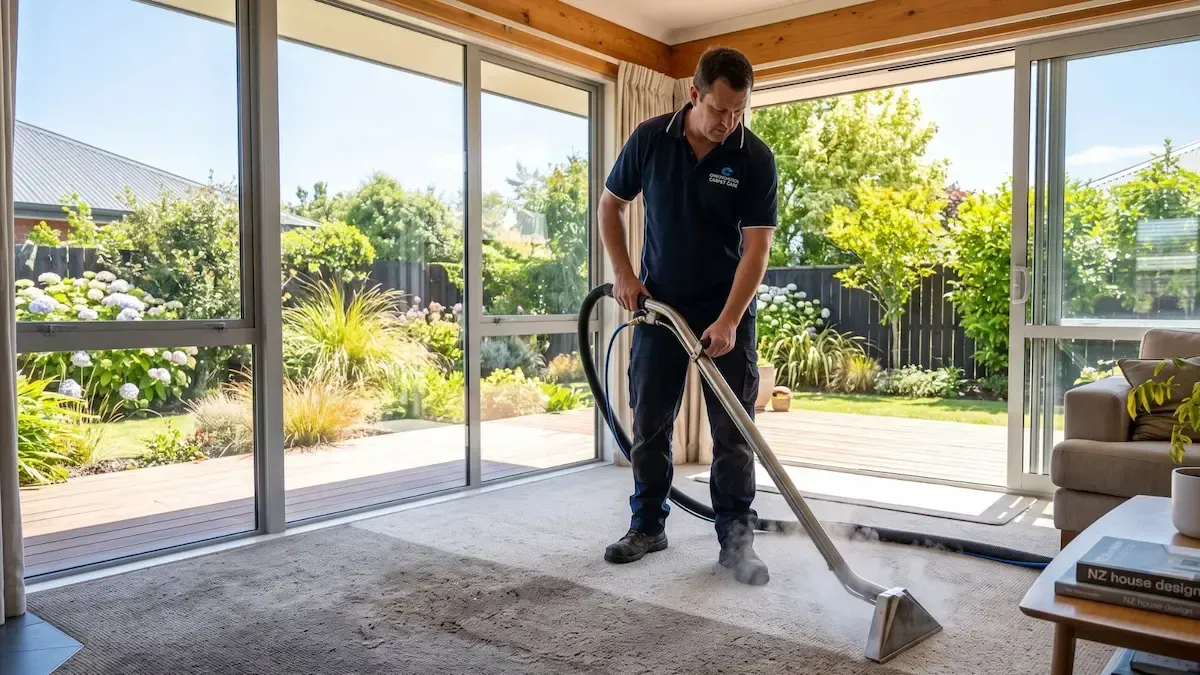
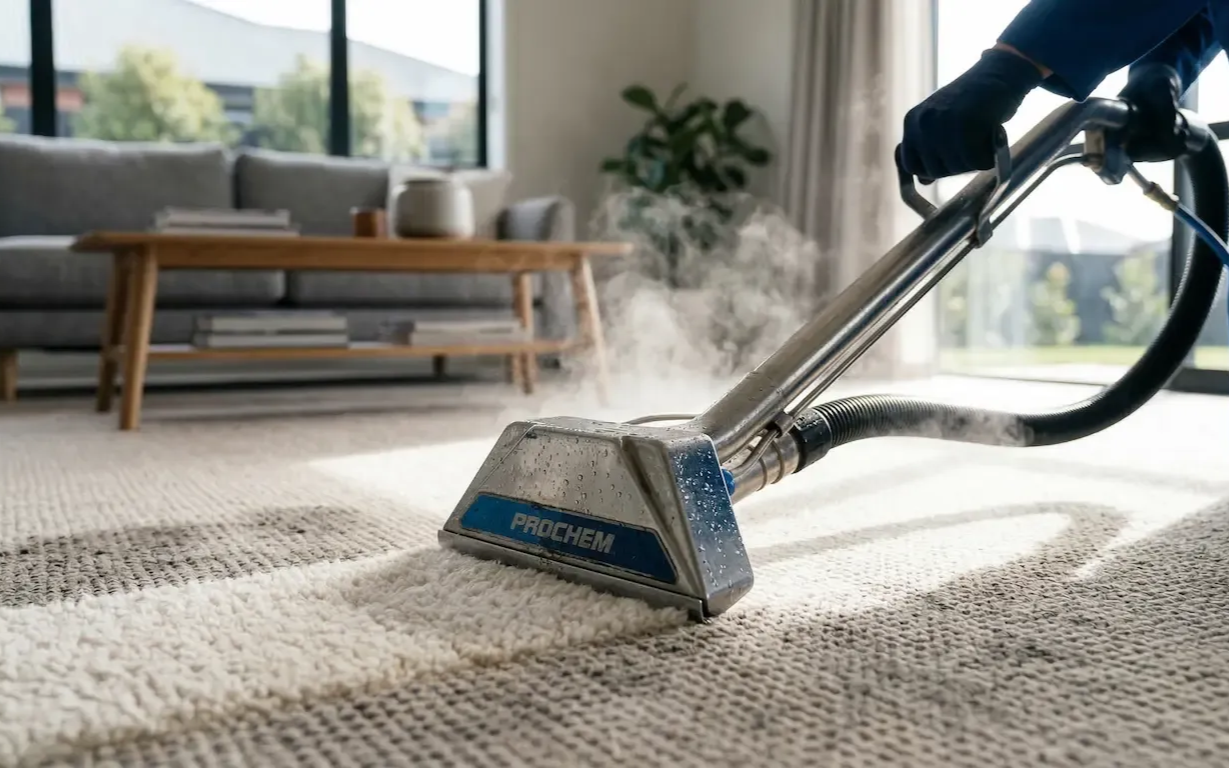
Using our commercial 38Hp truck-mounted cleaning unit, we inject high-temperature water mixed with sanitising neutralisers deep into the carpet under controlled pressure. The intense thermal heat dissolves grease, sanitises bacteria, and liquefies trapped contaminants.
4. Heavy-Duty Industrial Extraction
The crucial step that DIY machines fail to deliver is vacuum power. Our truck-mounted blowers extract 95% of all water, loosened grime, and chemical treatments directly out of your home and into our service vehicle’s recovery tank.
Because the moisture is thoroughly extracted rather than left sitting in the foam, your carpets are left minimally damp and completely dry within 3 to 5 hours.
Frequently Asked Questions
Can Professional Carpet Cleaning Remove Old Pet Urine Smells?
Yes, in the vast majority of cases. By combining professional bio-enzyme neutralisers with high-heat truck-mounted extraction, we break down and flush out the dried uric acid crystals that domestic cleaners leave behind. In severe, multi-year saturation cases where the subfloor is damaged, we provide honest advice on whether sections of underlay need replacing.
Why Does My Carpet Smell Worse After Cleaning It With A Rental Machine?
Rental supermarket machines feature small, weak vacuum motors. They put far more water into the carpet than their suction can pull out. The soaked underlay remains wet for days in Canterbury's cooler climate, allowing mould, mildew, and bacteria to flourish inside the damp padding, resulting in a distinct "wet dog" or musty smell.
How Long Does Carpet Take To Dry After Odour Treatment?
With our 38Hp truck-mounted system, carpets dry quickly because almost all liquid is extracted during the process. With normal indoor airflow and ventilation, your carpets will be dry to the touch and safe to walk on within 3 to 5 hours.
Is The Odour Treatment Safe For Children And Pets?
Yes. We use eco-friendly, non-toxic, and biodegradable cleaning products that are completely safe for households with young kids, dogs, and cats. Our hot water rinse cycle removes all active residues, leaving behind only clean, neutralised fibres.
Eliminate Unpleasant Carpet Odours For Good
Do not spend another week putting up with lingering pet smells, sour spills, or damp winter staleness in your home. Air fresheners only mask the issue—Dave’s specialised truck-mounted system removes the root cause from the base of your carpet.
- Ready to reset your living spaces? Book our comprehensive Residential Carpet Cleaning Services In Christchurch.
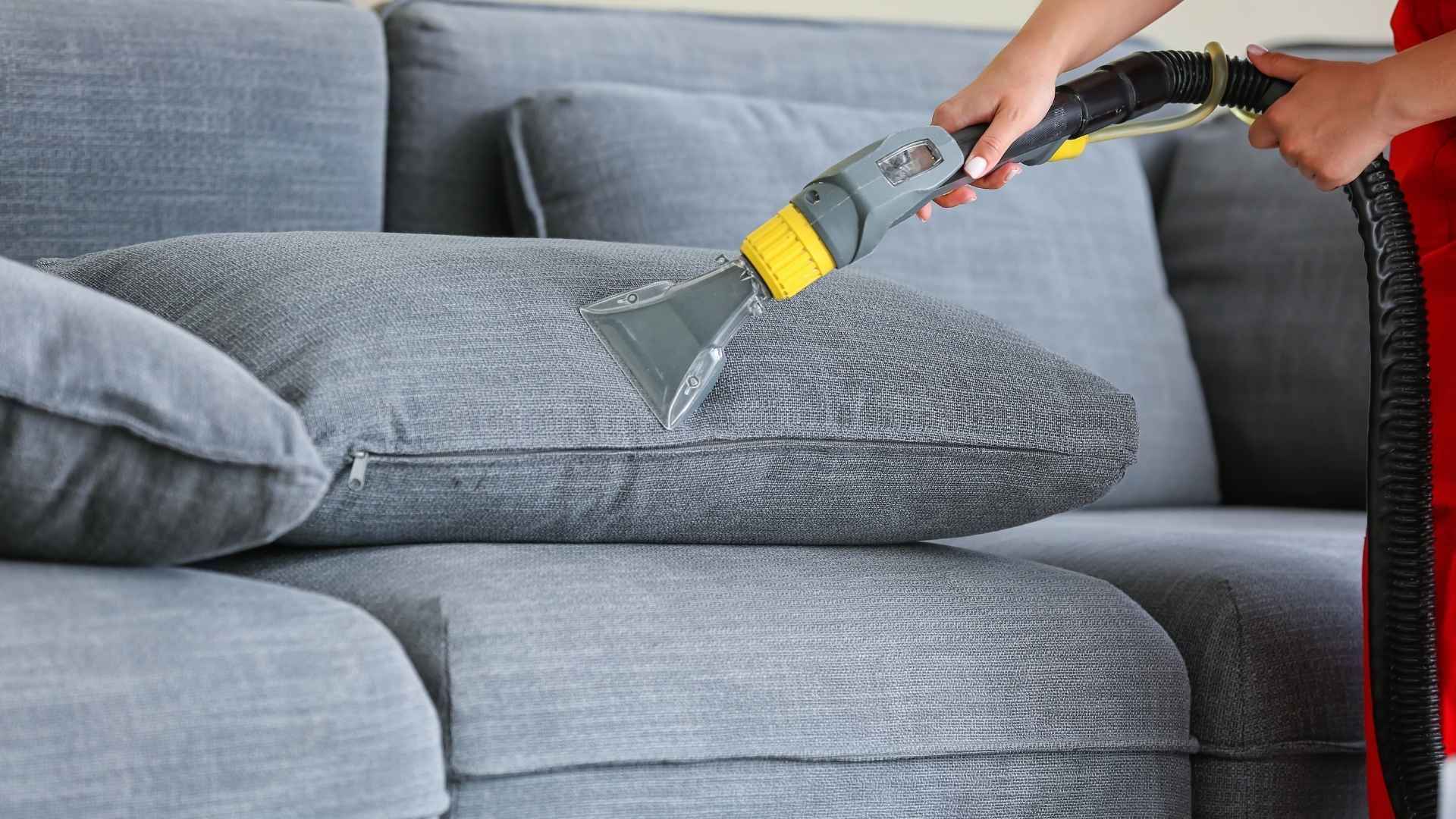
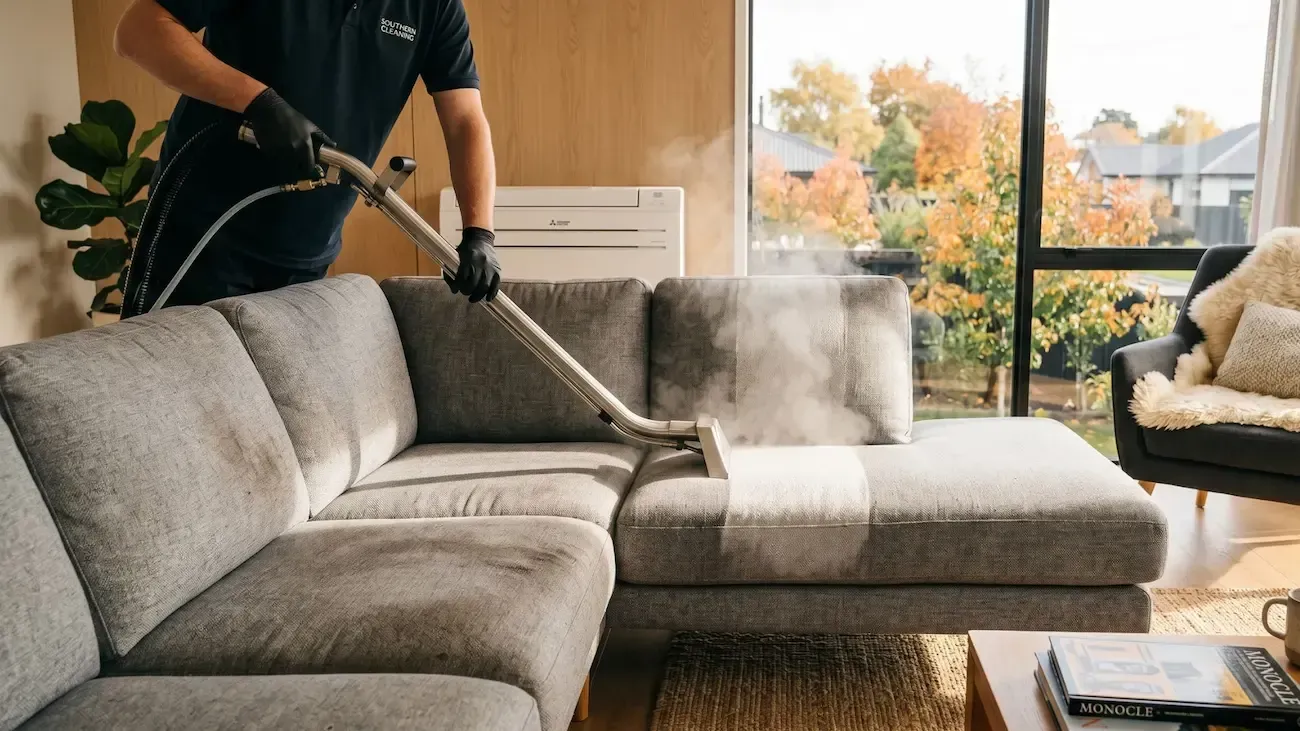
- Are those stale odours trapped in your sofa cushions as well? Check out our expert Professional Upholstery Cleaning Services.
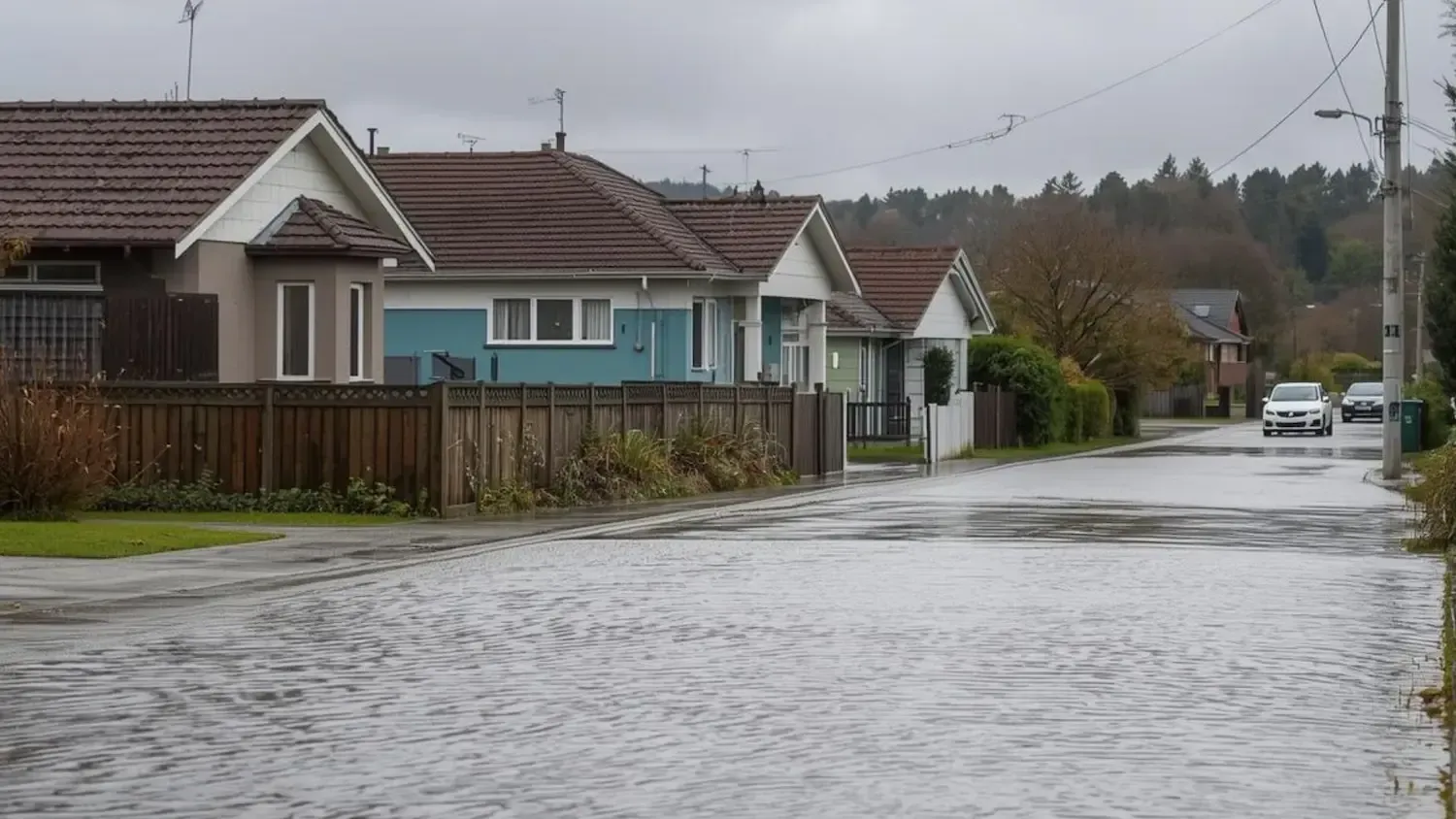
- Dealing with sudden plumbing leaks or wet carpets? View our Emergency Flood Restoration And Carpet Drying guide.
Call Dave directly on 021 638 637 for straightforward advice and an upfront quote, or Contact Us Online to restore a fresh, hygienic home today.