Restoration vs. Cleaning: What to do after a Flash Flood
🚨 EMERGENCY ADVISORY: With the current state of emergency and the Heathcote River breaching its banks, we are currently prioritising emergency water extraction and structural drying. If you have standing water in your home, please ensure your electricity is isolated and call us immediately on 021 638 637
Why a "Quick Clean" Isn’t Enough After a Flash Flood
When floodwaters recede, the immediate instinct of most homeowners is to get a mop, a bucket, and a carpet cleaner to "tidy up." However, in the world of professional restoration, a "quick tidy up" is often the most dangerous thing you can do for your home’s long-term health.
Following the recent heavy rain across Christchurch and North Canterbury, we are seeing a significant increase in "secondary damage"—this is damage caused not by the flood itself, but by the moisture left behind after a failed DIY cleaning attempt.
To protect your family and your property, you need to understand the critical difference between Surface Cleaning and Structural Restoration.
1. The Science of the "Golden Window" (24–48 Hours)
In restoration, the first 24 to 48 hours are known as the Golden Window. This is the timeframe where building materials like timber framing, drywall (GIB), and carpet underlay can often be saved.
Once moisture sits in a porous material for more than 48 hours, Microbial Growth (Mould) begins. Once mould takes hold in the backing of your carpet or the wooden "bones" of your house, the project moves from simple "drying" to expensive "demolition and remediation."
2. Understanding the Three Categories of Water
Not all water is created equal. The IICRC S500 (the global standard for water restoration) breaks floodwater into three categories. This determines the safety gear required and whether your carpet can actually be saved.
Category 1: Clean Water
This comes from a sanitary source, like a broken water supply line or an overflowing sink. While "clean," it can still cause structural rot if not dried quickly.
Category 2: Grey Water
This water has a significant degree of chemical, biological, or physical contamination. Think of a washing machine or dishwasher leak. It can cause illness if handled without care.
Category 3: Black Water (The Current Christchurch Reality)
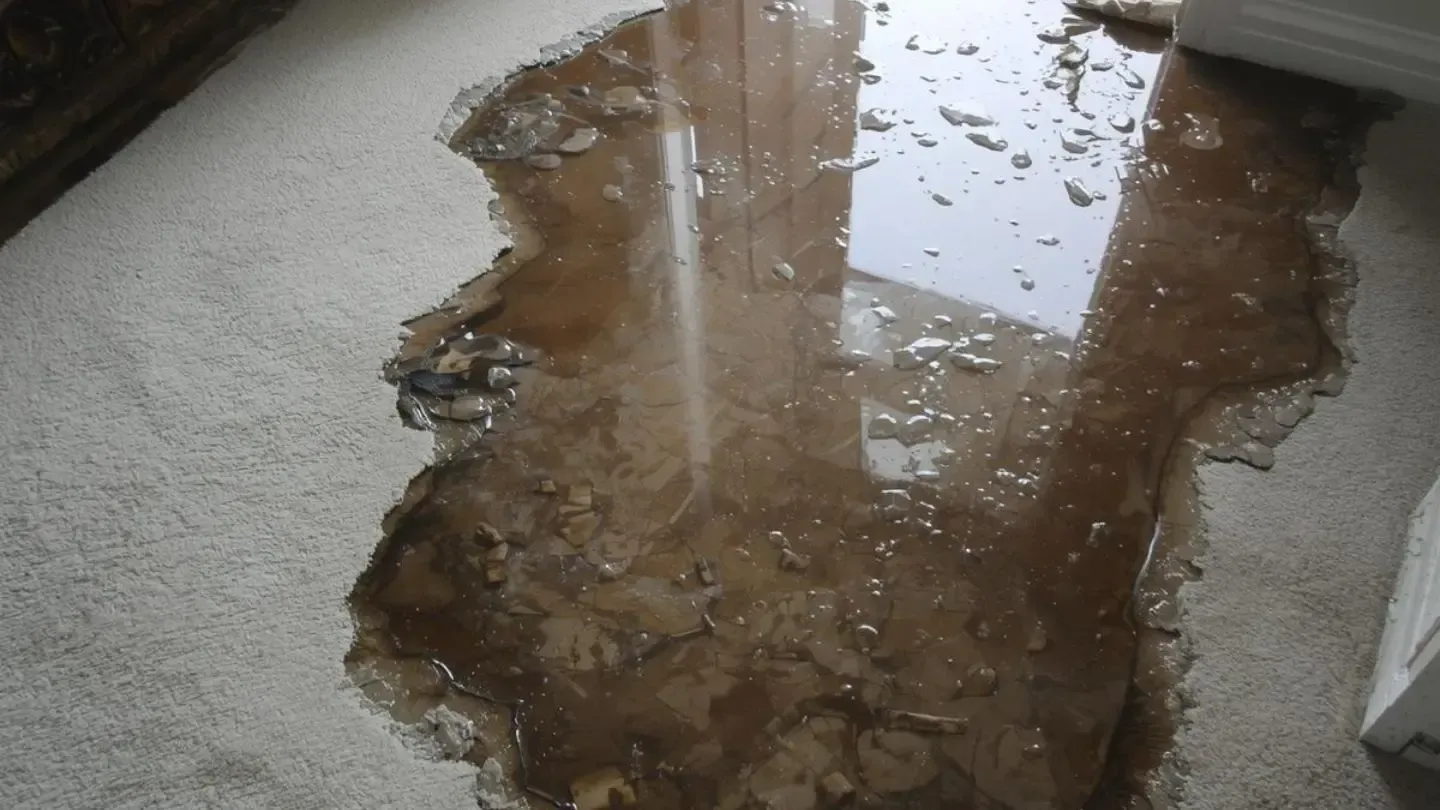
This is the most dangerous. It includes sewage, rising river water, and surface water from a flash flood. Category 3 water is highly unsalvageable. Because it has travelled over the ground (picking up silt, animal waste, and bacteria), the IICRC standards generally require the complete removal and disposal of porous materials like carpet and underlay.
Expert Tip: If you are dealing with Heathcote River water or North Canterbury surface flooding, you are dealing with Category 3. Do not attempt to "clean" this yourself; the health risks are too high.
3. The "Sandpaper" and "Sponge" Effect
Most homeowners think of their carpet as a single layer. In reality, it is a system: the fibre, the backing, the underlay, and the subfloor.
The Underlay Sponge
Your underlay is a high-density foam designed to be comfortable. In a flood, it acts as a giant sponge. A standard carpet cleaning machine might suck the water off the top of the carpet, but it cannot pull the gallons of water trapped in the underlay. This trapped water will rot your floorboards and create a permanent "musty" smell that no amount of deodoriser can fix.
The Subfloor Grit
Flash floods carry silt and fine grit. Even if you "clean" the surface, that grit remains trapped in the backing of the carpet. As you walk on the "clean" carpet later, that grit acts like sandpaper, grinding your expensive carpet fibres into dust from the bottom up.
4. The Hidden Danger: Structural Secondary Damage
If the air in a flooded room isn't managed correctly, the moisture doesn't just stay on the floor—it moves into the air. This leads to Secondary Damage:
- Warping: Your skirting boards and wooden door frames will swell and "cup."
- GIB Damage: Drywall (GIB) can wicking water up the wall, even if the flood was only an inch deep.
- Odours: Bacterial off-gassing begins within 72 hours.
5. Professional Restoration: The 4-Stage Process
When you hire a professional for [Water Damage Restoration], you aren't just paying for a vacuum. You are paying for a scientific drying plan.
Stage 1: Assessment and Extraction
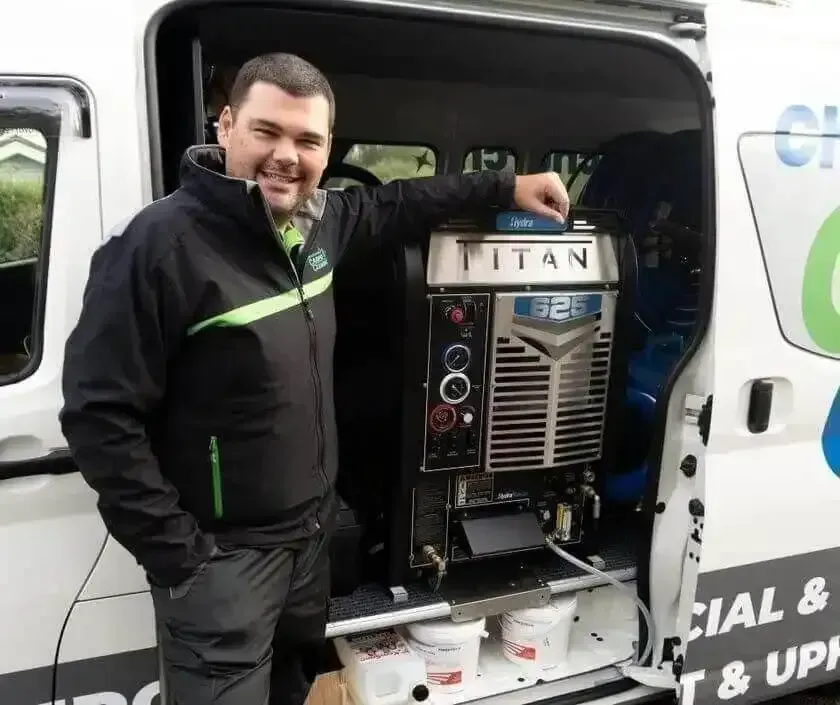
We use moisture sensors and thermal imaging to find "hidden" water behind walls. We then use truck-mounted high-extraction units to remove the bulk water.
Stage 2: Evaporation
We use high-velocity air movers (industrial fans) to turn the liquid water in the materials into water vapour.
Stage 3: Dehumidification
We use commercial-grade LGR (Low Grain Refrigerant) dehumidifiers to pull that water vapour out of the air. If you use fans without a dehumidifier, you are simply "moving the rot" around the room.
Stage 4: Monitoring
We return daily to take "Dry Standard" readings. We don't stop until the moisture levels in your timber framing are back to safe levels (typically below 18%).
6. Your Insurance Obligations (The Fine Print)
In New Zealand, most home insurance policies require the homeowner to take "all reasonable steps" to mitigate further damage.
If you leave your carpets wet for three days while "waiting for a quote," the insurance company may argue that you allowed the mould to grow through negligence. Calling an emergency restoration specialist immediately is your best way to ensure your claim is accepted.
We provide the Full Moisture Reports and Photographic Evidence that your insurer needs to process your claim quickly.
7. Health Risks: Why DIY is Dangerous
The long-term health effects of mould exposure are serious. For children, the elderly, or those with asthma, living in a home that wasn't dried professionally can lead to:
- Chronic respiratory infections.
- Persistent coughing and wheezing.
- Fatigue and neurological issues.
Mould can grow "silently" inside your wall cavities for months before you see a single black spot. Professional structural drying is the only way to guarantee a healthy home.
8. 5 Things To Do (And 3 Things NOT To Do) Right Now
DO:
- Isolate Power: If the water is deep, turn off the mains.
- Lift Furniture: Put foil or plastic tabs under wooden legs.
- Take Photos: Every angle. Every room. Before you move a thing.
- Ventilate: If the rain has stopped and the air is dry outside, open windows.
- Call your Insurer: Log the claim immediately.
DO NOT:
- Do Not use a household vacuum: You will get a nasty electric shock, and the machine will likely break.
- Do Not use a steam mop: Adding heat to a flood situation is like giving a "superfood" to mould and bacteria.
- Do Not wait: Mould doesn't take the weekend off.
Christchurch Locals Helping Locals
We know how devastating a flood can be. It’s not just "wet carpet"—it’s your home, your sanctuary, and your investment.
At Christchurch Carpet Cleaning, we don't just "tidy up." we use the latest technology and IICRC-aligned processes to ensure your home is returned to a pre-loss condition safely and scientifically.
If you are currently dealing with the North Canterbury weather events, don’t take a "wait and see" approach.
[Contact Us for Emergency Flood Support] Let’s get your home dry, safe, and back to normal.